Crickets in December: Keeping a Feeder Larder Alive Through a British Winter

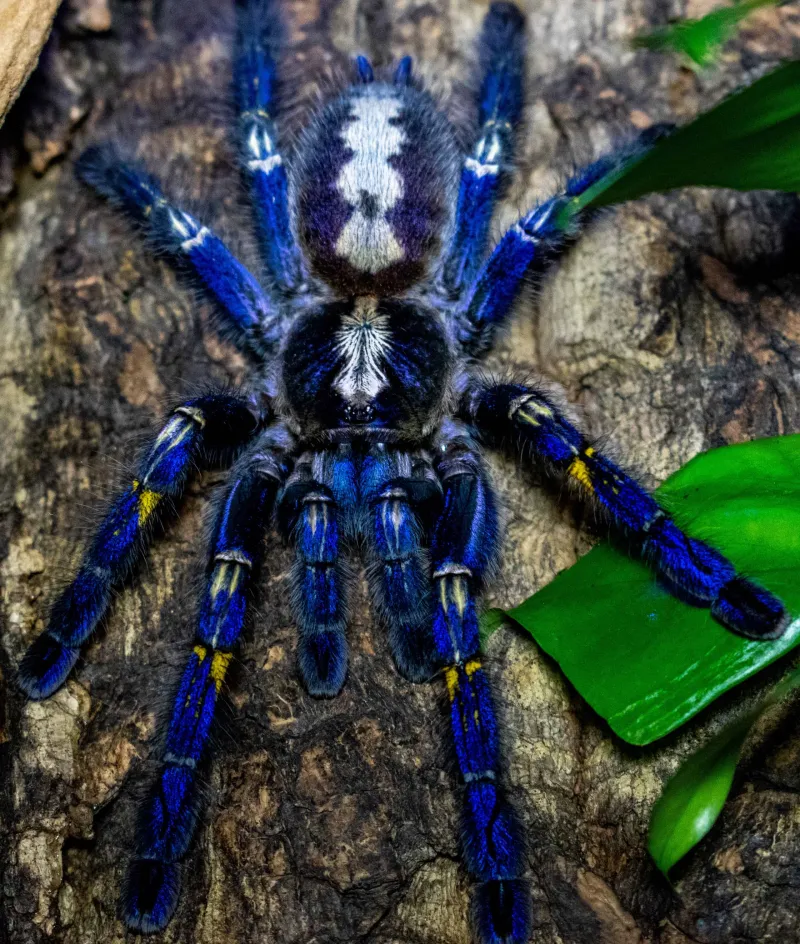
Photo: Basile Morin, CC BY-SA 4.0, via Wikimedia Commons
Every winter the same thread appears on UK keeper forums, somewhere between Bonfire Night and the first hard frost: a tub of crickets that arrived healthy on Tuesday and is a brown, faintly ammoniacal mass by Friday. The spiders are fine. The spiders are always fine. It is the larder that collapses.
Brachypelma husbandry articles tend to dwell on substrate and temperature gradients. Fair enough. But the feeder supply is the half of the hobby that actually determines whether you can feed on a cold Sunday evening, and it deserves a proper seasonal plan.
1. Buy to a Schedule, Not to a Panic
Winter appetite in Brachypelma collections is genuinely lower. Metabolism slows with cooler rooms and shorter photoperiod, and many keepers feed less often between December and February. Ordering on a fixed fortnightly rhythm, sized to what the collection will actually eat, beats a bulk panic-buy in November. A hundred crickets sounds economical until sixty of them die in a tub in a spare bedroom.
2. Respect the Postal Window
Live invertebrate deliveries in Britain are at their most fragile in the cold months. Order early in the week — Monday or Tuesday — so a parcel that slips a day still lands before the weekend. Avoid ordering into a bank holiday, a forecast of sub-zero nights, or a period of known disruption. A heat pack helps, but it does not survive a parcel sitting in an unheated depot for thirty-six hours.
Check the supplier's live-arrival terms before you order, and photograph the tub on arrival, unopened, if there is a problem. If you know you will be out, have the parcel held for collection rather than left on a doorstep in a cold snap.
3. Quarantine Before Anything Reaches a Spider
A holding tub for forty-eight to seventy-two hours is not paranoia. It lets you remove the dead, spot the sluggish and the discoloured, and observe whether the batch is settling. Feed nothing moribund to a tarantula. The cost of a skipped feed is nil; the cost of an unnecessary problem in a collection is not.
4. The Five-Minute Daily Audit
Most feeder die-offs have mundane causes, and all of them are visible in under five minutes:
- Condensation on the tub walls, which means ventilation is inadequate and the substrate is too wet.
- Dead individuals left in place, which accelerate the decline of the rest.
- No moisture source — a dry carrot is not hydration.
- Overcrowding in a tub bought for the price of a pint.
- A tub placed against a radiator or on a windowsill above a cold draught.
Aim for a stable room temperature, a dryish base, a fresh vegetable for moisture, and enough ventilation that the air does not smell sweet.
5. Gut-Loading From a Supermarket Basket
Gut-loading means feeding the feeder well before the feeder becomes a meal. There is limited direct evidence in tarantula nutrition about how much of that payload transfers, so treat it as good practice rather than a guarantee: a well-fed cricket is a better cricket regardless.
A working shopping list: carrot and apple for moisture, dark leafy greens such as kale, porridge oats and wheat bran as a base, and a sparing pinch of fish food for protein. Offer the richer items twenty-four to forty-eight hours before feeding the spiders, and remove anything that starts to mould. Keep it simple; elaborate gut-loading mixes are a hobbyist indulgence, not a requirement.
6. Crickets, Locusts and Roaches Are Not Interchangeable
Brown crickets are cheap, widely available and prone to sudden mortality, and the chirping is a genuine issue in a one-bedroom flat — silent or quiet strains exist and are worth asking for. Locusts are cleaner and longer-lived but need good ventilation and fresh grass or greens, and an escaped locust is a chewing problem for curtains and houseplants.
Roaches are the hardiest option and the one with the most emotional baggage for the people you live with.
7. Is a Roach Colony Worth It in a Flat?
An honest assessment, because the hobby tends to oversell this.
For a collection of five to ten Brachypelma, a breeding colony is usually not worth the shelf space. A colony needs warmth, a consistent food supply, and regular maintenance to keep the smell down — and a well-run roach bin smells of almost nothing while a neglected one smells of a great deal. Escapes happen, especially with the smaller, faster species. A partner who agreed to spiders may not have agreed to a self-sustaining population of roaches in the airing cupboard.
Where a colony does make sense: a larger collection, a keeper with a genuinely warm spare room, and a household where everyone has been asked rather than informed. Check the current GB and Northern Ireland position on any non-native species before you start one, and never release anything outdoors.
A reasonable middle path for a small flat is to split a bulk order with a local keeper, keeping numbers modest and turnover high.
8. The Winter Contingency
Hold one week of feeders in reserve beyond what you plan to use. Keep two suppliers in your contacts rather than one. If a tub fails, the spiders will comfortably wait a few days — Brachypelma are not fragile — and the calm option is always to wait for a good delivery rather than feed something questionable.
The larder is unglamorous, and it is the part of the hobby where a small amount of planning produces a disproportionate amount of quiet. In a British winter, that is worth more than any gadget.