Five Brachypelma, Five First-Year Bills: What UK Keepers Actually Spend in 2026
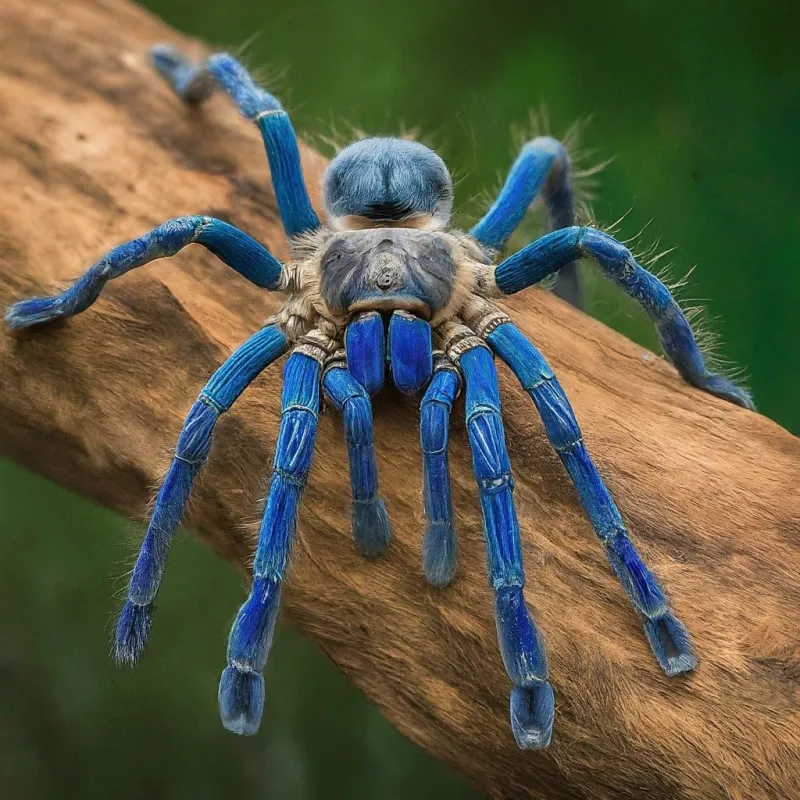
Photo: tarantula enclosure thermostat substrate UK keeper budget, via www.inpetcare.com
Brachypelma tarantulas are often described as affordable beginner animals. That reputation is partly deserved: many juveniles cost less than a modest aquarium filter, and their care is within reach of a careful first-time keeper. But the purchase price is not the first-year bill. In a UK home, where winter room temperatures can sit below the species' comfortable range, the enclosure, heating, substrate, feeders, and contingency fund all matter.
The figures below are planning ranges, not quotations. They assume one juvenile spider, a basic terrestrial setup, a thermostat-controlled heat source used indirectly, and supplier prices seen in the UK in 2026. Electricity costs vary by tariff and room temperature, so heating is given as a first-year range rather than a precise sum.
The five species and the assumptions
The comparison covers Brachypelma hamorii, Brachypelma emilia, Brachypelma boehmei, Brachypelma auratum, and Brachypelma albiceps. All five are popular, long-lived terrestrial spiders with broadly similar husbandry, but they differ in adult size, growth rate, temperament, and the point at which a keeper is likely to upgrade the enclosure.
Costs are divided into purchase, enclosure and furnishings, substrate, heating, feeders, and contingency. The contingency line is not optional padding. It covers a replacement heat source, an unexpected enclosure repair, or a consultation with an exotic-pet vet.
Brachypelma hamorii
Brachypelma hamorii remains the benchmark species for many UK keepers. Juveniles are widely available, and captive-bred stock is common. A juvenile might cost £45 to £90, while an adult female can reach £180 to £300. A suitable juvenile enclosure, hide, water dish, and furnishings might add £45 to £80. Substrate is modest, perhaps £10 to £18 for a first setup.
Heating is the variable that catches people out. In a room held at 20°C, a small thermostatically controlled heat source may cost £40 to £80 over the first year. Feeders, usually crickets or roaches, might add £30 to £60. A sensible contingency fund is £50. First-year total: roughly £220 to £380.
Brachypelma emilia
Brachypelma emilia is similar in care but often slightly slower to grow. Juvenile prices in 2026 sit around £50 to £100, with adult females often £200 to £320. The enclosure and substrate costs are close to those for B. hamorii, but the keeper may need to plan for a longer period in a smaller setup.
Heating and feeding are broadly comparable: £40 to £85 for heating and £30 to £60 for feeders. With £50 held back for contingency, the first-year range is about £235 to £405. The species is not dramatically more expensive, but the slower growth means the first-year outlay is spread over a longer period of visible development.
Brachypelma boehmei
Brachypelma boehmei is one of the more striking species, with bright leg markings and a confident feeding response. It is also more prone to kicking urticating hairs, which matters for keepers with sensitive skin or respiratory conditions. Juvenile prices often run from £60 to £120, and adult females can be £250 to £400.
Because B. boehmei may reach a larger adult size, some keepers upgrade the enclosure sooner. A first-year budget of £50 to £95 for enclosure and furnishings is realistic, with substrate at £12 to £20. Heating might be £40 to £85, feeders £35 to £65, and contingency £60. First-year total: approximately £260 to £445.
Brachypelma auratum
Brachypelma auratum is a larger, showy species with a reputation for steady growth. Juveniles may cost £65 to £130, and adult females can exceed £300. The enclosure budget should be slightly more generous, at £55 to £100, because the spider may outgrow a small tub within the first year.
Substrate, heating, and feeding follow the same pattern: £12 to £22, £40 to £90, and £35 to £70 respectively. A contingency fund of £60 is prudent. The first-year total is around £280 to £480, making B. auratum one of the more expensive entries in this group when setup and upgrade potential are included.
Brachypelma albiceps
Brachypelma albiceps is a slower-growing species with a pale carapace and a quieter presence in the collection. Juveniles are often £55 to £110, with adult females at £220 to £360. The first enclosure can be modest, at £45 to £85, with substrate at £10 to £20.
Heating may be £40 to £85, feeders £30 to £60, and contingency £50. First-year total: approximately £235 to £420. The species rewards patience rather than rapid expansion, and the budget reflects that slower pace.
Summary table
| Species | Purchase | Enclosure and furnishings | Heating | Feeders | Contingency | First-year range |
|---|---|---|---|---|---|---|
| B. hamorii | £45–£90 | £45–£80 | £40–£80 | £30–£60 | £50 | £220–£380 |
| B. emilia | £50–£100 | £45–£85 | £40–£85 | £30–£60 | £50 | £235–£405 |
| B. boehmei | £60–£120 | £50–£95 | £40–£85 | £35–£65 | £60 | £260–£445 |
| B. auratum | £65–£130 | £55–£100 | £40–£90 | £35–£70 | £60 | £280–£480 |
| B. albiceps | £55–£110 | £45–£85 | £40–£85 | £30–£60 | £50 | £235–£420 |
What the figures really show
The cheapest purchase price does not automatically produce the cheapest first year. A £50 juvenile in a cold flat may cost more to heat than a £90 juvenile in a warm, stable room. A larger species may require an earlier enclosure upgrade. A keeper who buys an adult female avoids the juvenile purchase but pays more upfront and inherits a longer commitment.
The better question is not whether a Brachypelma is a cheap pet. It is whether the keeper has budgeted for the whole first year, including the quiet costs that do not appear in the listing. In 2026, a realistic first-year figure for a single juvenile Brachypelma is often £220 to £480, depending on species, supplier, and UK room temperatures. That is still modest by the standards of many exotic pets, but it is not a £50 spider.