Reading Stillness: Telling Ordinary Brachypelma Behaviour from Genuine Trouble

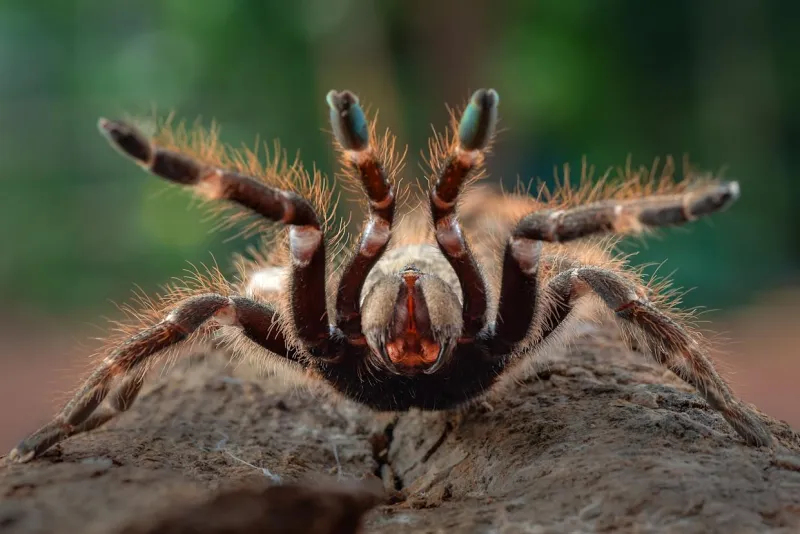
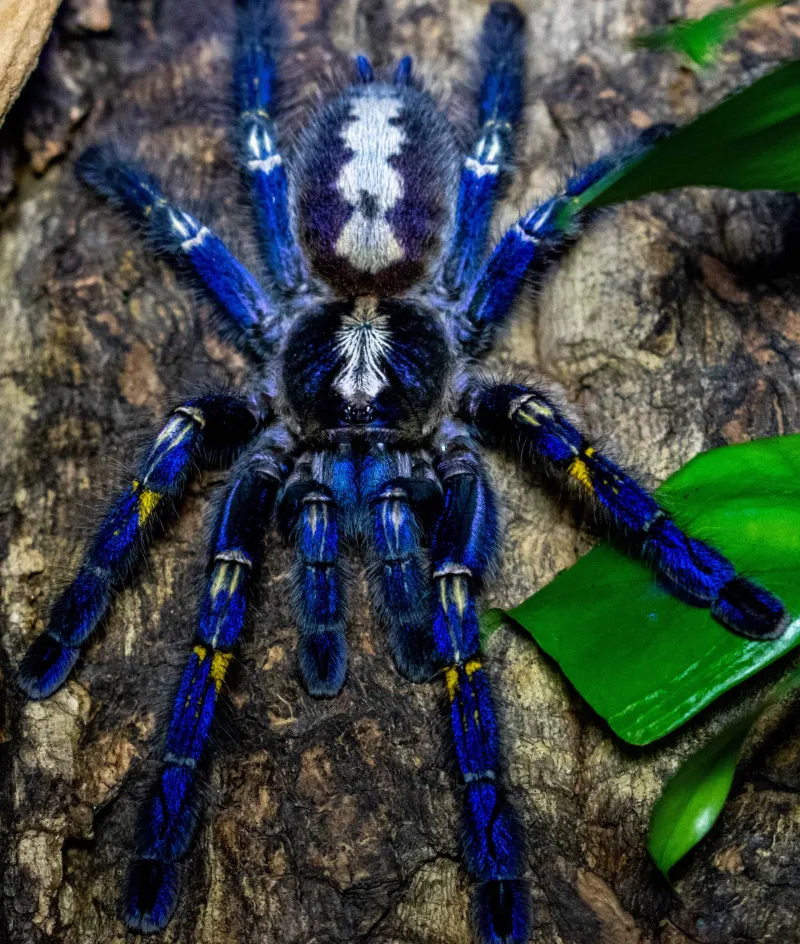
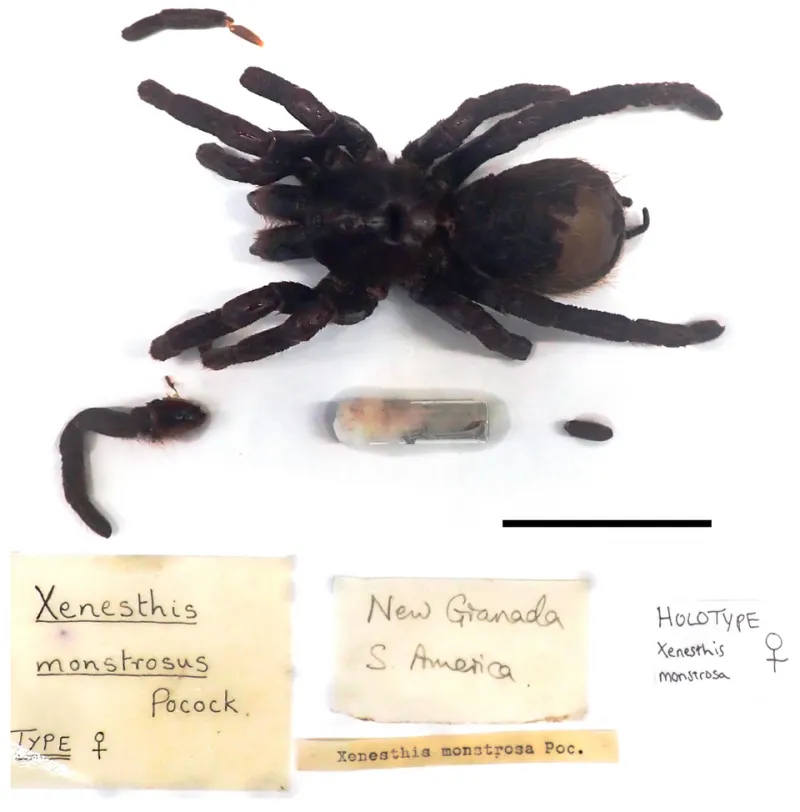
Photo: Brachypelma tarantula resting at burrow entrance in terrarium, macro photography, via lookaside.fbsbx.com
Few invertebrates are misread as routinely as a resting Brachypelma. In a centrally heated British flat in November, a spider that has sealed its burrow, declined four meals and shifted barely a centimetre in a fortnight is, in most cases, doing precisely what the genus has done for millions of years. The difficulty is that the same set of observations can, in rarer circumstances, describe an animal that will not recover without help. Separating the two is the central skill of terrestrial tarantula husbandry, and it is a skill built on records rather than reflexes.
Inactivity is the baseline, not the deviation
Brachypelma are ambush predators that sit at the mouth of a burrow and wait. Movement costs energy, and an animal that has not eaten for three weeks has no reason to patrol an enclosure. When a keeper describes a specimen as 'just sitting there', they are usually describing correct captive behaviour in a species that has evolved to conserve everything it can.
This matters because the instinct to intervene is strong. The usual responses – misting the substrate, adding a heat mat, offering a second prey item, gently disturbing the spider to check it is alive – all alter the conditions the keeper is trying to assess. A single change introduced in response to a single observation tells you nothing about the cause of that observation.
The reliable indicators are slow-moving ones. The shape of the abdomen over weeks, the frequency of feeding, the position the spider chooses, whether it has webbed, and whether it has moulted. These are the data points a keeper should collect before forming a view.
Fasting runs to a calendar
Adult female Brachypelma commonly refuse food for weeks, and many will fast through the winter months regardless of how warm the room is kept. Slings and juveniles fast for shorter periods, usually in the lead-up to a moult. The abdomen is the honest gauge: a spider that is fasting but hydrated will keep a rounded, firm-looking abdomen, whereas genuine decline shows as a shrinking, wrinkled opisthosoma over an extended period.
There is one rule that is regularly broken in good faith. After a moult, the fangs are pale and soft, darkening over roughly a week to ten days depending on size. Feeding before the fangs have hardened is one of the few genuinely avoidable causes of injury in the hobby. If a spider has moulted within the past fortnight, refusal of food is not a symptom; it is a schedule.
Seclusion and the premoult window
A Brachypelma that blocks its burrow entrance, refuses food and becomes noticeably darker in overall tone is usually entering premoult. A bald patch on the abdomen, if present, will often darken as the new exoskeleton forms beneath. The window from the first signs to the moult itself is typically a matter of weeks, though larger females can take longer and some individuals give almost no advance notice.
The correct response is almost always nothing. Do not excavate. Do not flood the enclosure in an attempt to soften the moult. Keep fresh water available, keep the enclosure in its usual place, and wait. Disturbing a spider mid-moult is one of the few ways a keeper can turn a routine event into an emergency.
The centrally heated room
British homes present a specific set of conditions. A room held at 21°C by day can drop to 16 or 17°C overnight, and relative humidity in a heated living room in winter can fall far below what a keeper imagines. A spider that sits on its water dish, presses itself against the glass, or clusters at one end of the enclosure is usually regulating, not suffering: it is choosing the cooler end, or the more humid corner, because the gradient allows it.
This is why two readings taken at enclosure level at each end are worth more than any number of assumptions about 'room temperature'. Radiators, windowsills, underfloor heating and draughty sash windows all create local conditions that differ sharply from the middle of the room. An enclosure placed above a radiator may sit several degrees warmer than the keeper believes, and one beside a single-glazed window may be both colder and drier.
Observation is an intervention
Keepers who do best with this genus tend to keep a simple weekly log: date, whether food was offered and taken, abdomen condition, position chosen, and anything moult-related. The log turns a sequence of isolated impressions into a trend, and trends are what distinguish a fasting spider from a failing one.
Observation should also be non-invasive wherever possible. Look through the glass. Do not lift the hide to check. A spider that is left undisturbed for a fortnight will show you more than one that is checked daily.
Three red flags that justify a closer look
First, loss of motor control. A spider that cannot right itself, walks with an uncoordinated, wavering gait, or holds its legs curled tightly beneath the carapace in a stress curl is not resting. This is a genuine emergency, and secondary signs such as a shrunken abdomen suggest dehydration, while sudden onset in an otherwise stable specimen raises the possibility of nematodes or exposure to a contaminant.
Second, anything that breaches the exoskeleton or emerges from it. A weeping wound on the abdomen, white discharge around the mouthparts or at the bases of the legs, an unusual smell, or a persistent wet patch on the substrate beneath the spider all warrant isolation and expert advice rather than home treatment.
Third, sustained and progressive decline. A spider that has refused food for months, lost condition steadily, become lethargic and shown no sign of premoult is not simply fasting. Prolonged refusal combined with a shrinking abdomen, or with a sudden change in coordination after a long period of apparent normality, is the point at which an experienced keeper or an exotics vet should be consulted. Specimens that have been in the hobby for years are the ones most often affected by cumulative problems, and they are also the ones whose keepers are most likely to explain away the early signs.
When waiting is the expert choice
Most of what worries UK keepers about this genus resolves without intervention. Winter fasting, premoult seclusion, a spider that sits motionless at the mouth of its burrow for a fortnight in a warm front room: these are the normal range, and the keeper's contribution is stability rather than action. The exceptions are recognisable, and they are recognisable because they differ from the baseline in kind, not merely in duration. Keeping that baseline well recorded is what makes the difference visible.