The Paper Trail Beside the Terrarium: CITES and Provenance Records for UK Brachypelma Keepers
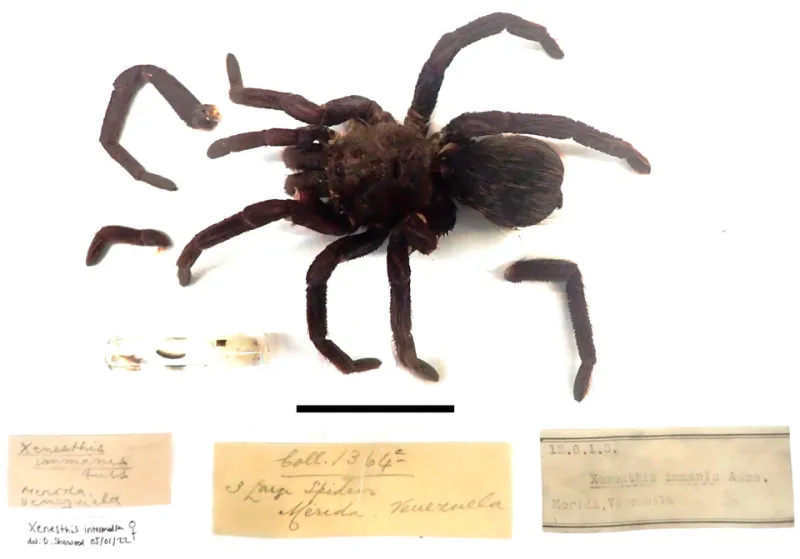
Photo: D. Sherwood, CC BY 4.0, via Wikimedia Commons
Most Brachypelma acquisitions in the UK begin with a small plastic tub, a label, and a payment confirmation. The paperwork is often the last thing a keeper thinks about. That is understandable: the animal needs a suitable enclosure, a stable temperature, and a calm place to settle. Yet a modest provenance file is not an exercise in bureaucracy. It is a practical tool that protects the spider, the keeper, and whoever owns the animal next. For a genus with a complicated trade history, a clear paper trail is part of responsible husbandry.
This article offers general guidance, not legal advice. Requirements under UK CITES implementing regulations can vary by species, origin, and transaction, and keepers should confirm current rules with the Animal and Plant Health Agency (APHA) or a qualified adviser.
Begin at the point of acquisition
The best time to start a file is before the spider leaves the seller. Record the date of acquisition, the seller or breeder, their contact details, the price paid, and the species name exactly as it appeared in the listing or conversation. If the animal was sold under an older name, note that too, alongside the currently accepted name where there is any doubt. Taxonomy changes are part of the Brachypelma story, and a future owner will thank you for preserving the original label rather than silently correcting it.
Record the sex if it is known, the approximate size, and whether the spider is captive-bred or imported. If the breeder can supply parentage, hatch date, or moult history, keep those notes. Ask for a receipt even in a private sale. A simple written statement confirming the date, species, price, and any documents supplied is more useful than a screenshot of a messaging app, although both are better than nothing.
Take a photograph of the specimen beside its identification label and receipt on the day it arrives. This is not a substitute for documents, but it creates a dated visual record that can be filed alongside them.
What belongs in the file
A workable provenance file does not need to be elaborate. It should contain five sections: identity, acquisition, legal documents, husbandry history, and handover notes.
The identity section should include the species name, any identification code used by the breeder, sex, size, and distinguishing notes. The acquisition section should hold receipts, seller declarations, correspondence, and import or export paperwork where relevant. The legal section should contain any CITES certificates, permits, or related documents supplied with the animal. Do not alter, laminate, or annotate original documents; keep them in a clean sleeve and store a scan separately.
If a CITES certificate has been issued, record its number, issuing authority, date, species, and quantity. If no certificate was supplied, do not invent a reason. Instead, note what the seller stated and retain the correspondence. Many UK transactions involving captive-bred animals do not require the same paperwork as commercial imports or sales of Annex A specimens, but the keeper should still be able to explain the animal's origin if asked.
The husbandry section can be simple: moult dates, feeding notes, enclosure changes, and any health observations. It is not a legal document, but it demonstrates continuity of care and gives the next owner a realistic starting point.
Storing paper and digital copies
Keep a ring binder in a dry place away from the spider room's humidity. Use acid-free sleeves for original documents and a plain index at the front. A second copy should be stored digitally, preferably in an encrypted folder with a cloud backup. Name files consistently, for example with the date, species, and document type, so that a future search does not depend on memory.
A paper copy is useful during a power cut or a house move. A digital copy is useful when you need to send information to a buyer, a vet, or an authority. Keeping both is not excessive; it is proportionate to the value of the animal and the difficulty of reconstructing its history later.
The handover pack
When rehoming or selling a Brachypelma, provide a concise handover pack. It should include a copy of the acquisition record, any CITES-related documents, the husbandry log, current enclosure details, last moult date, feeding routine, and a short note on temperament. Include a bill of sale stating the date, species, sex if known, price, and documents provided. Do not promise paperwork you do not have.
If the transaction is commercial, check whether any CITES certificate or permit is required before advertising or completing the sale. Rules differ between Annex A and Annex B specimens and between domestic sales, imports, and exports. A calm, well-organised file makes those checks easier and gives the next keeper a sound basis for continuing care.
Common mistakes to avoid
Relying on a seller's label without recording the context is the most common weakness. Losing the receipt is the second. Mixing documents for several spiders in one unlabelled envelope is the third. A five-minute record at acquisition saves hours of guesswork later.
The paper trail will never be more important than the living animal, but it sits beside the terrarium for good reason. It turns an uncertain purchase into a documented one, and it gives every subsequent keeper a clearer picture of the spider in their care.