Paper Names and Living Spiders: Keeping Brachypelma Records Honest Through Taxonomic Change

Photo: tarantula keeper notebook specimen labels terrarium close up, via s.yimg.com
A tarantula label is a working document, not a permanent truth. For UK keepers of Brachypelma, that distinction matters. Names are revised, synonymies are published, genera are reorganised and old trade labels continue to circulate long after the taxonomic literature has moved on. The spider in the enclosure does not change because a paper has been published, but the record beside the enclosure may need to. The practical task is not to panic, nor to overwrite the past, but to keep a paper trail that can absorb revision without losing its history.
Why a Label Can Lag Behind the Literature
Taxonomic change arrives in several forms. A species may be transferred to a different genus, a name may be treated as a junior synonym of an older name, or a previously synonymised name may be revalidated. Trade names, import labels and older hobby literature can preserve a name long after a revision has been accepted. None of this implies neglect by the keeper. It reflects the ordinary lag between scientific publication, commercial supply and private record-keeping.
For Brachypelma keepers, the useful habit is to distinguish between the name on the original label and the name currently used in the taxonomic literature. Those two pieces of information are not rivals. They are different layers of the same record. The original label tells you what the spider was called when it was acquired, from whom, and in what context. The current name tells you how that specimen is best cross-referenced today. A sound record holds both.
Keep the Original Label, Add an Amendment
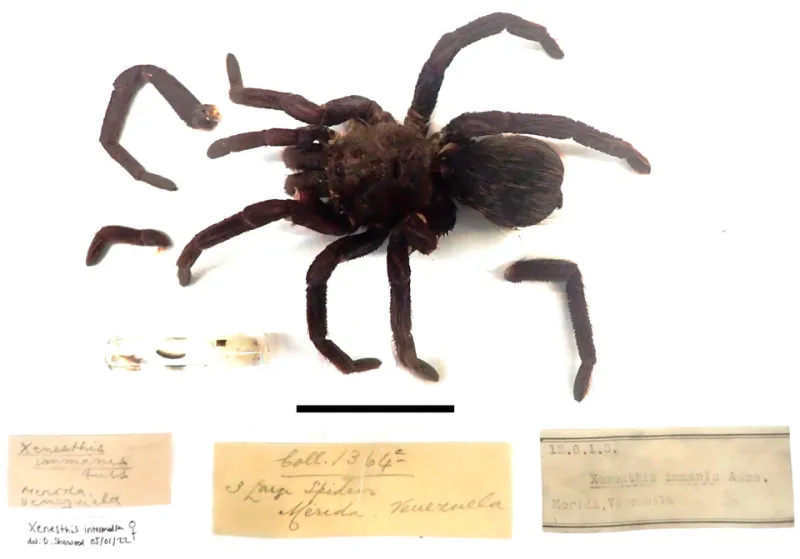
The first rule is simple: do not destroy or silently alter the original label. If a name has changed, preserve the label as received. Photograph it. Note the date of acquisition, the supplier, any stated locality or breeding line, and the name exactly as written. Then add an amendment sheet or a dated line in the record that states the current working name, the source consulted and the date of consultation.
This is not bureaucratic decoration. It is what allows a keeper to answer a question years later without relying on memory. A label that has been rewritten may look tidy, but it can obscure provenance. A label that has been annotated retains both the historical name and the keeper's later understanding. In practice, a simple format works well: original name as received, current name as understood, authority or database consulted, date checked, and a brief note on the kind of change involved. Where the change is a synonymy, say so. Where it is a genus transfer, say that instead. Precision here prevents the record from turning into a rumour.
Breeding Notes Need Cross-References, Not Retro-Editing
Breeding records are particularly vulnerable to name changes because they accumulate over years. A female acquired under one name may be paired, produce a sac and be recorded in a loan agreement under another. The temptation is to go back through old notes and replace every occurrence of the older name. That is usually a mistake. Old notes should remain as they were written, with cross-references added.
A workable method is to give each specimen a stable internal identifier, such as a keeper number, and to record names as attributes of that identifier rather than as the identifier itself. The specimen remains the same animal; the name attached to it may be revised. Breeding notes can then say, for example, that specimen K-14 was acquired as one name and is treated in the current record under another. Any loan or sale documentation can carry both names, clearly labelled as 'as received' and 'current working name'. This avoids the absurd situation in which a keeper appears to have owned two different spiders because a synonym was mistaken for a separate acquisition.
Provenance, CITES and the Paper Trail
For Brachypelma, provenance paperwork deserves particular care. CITES documentation and supplier records should not be edited to look more current than they are. If a name on an older document differs from the name now used, keep the document intact and add a covering note explaining the taxonomic relationship. Where the change affects how a species is listed or referred to in permit paperwork, keepers should seek guidance from the relevant authority rather than assuming that a hobby-level name change automatically rewrites legal documents. The safe principle is preservation plus explanation: retain the original paper, add a dated clarification and keep the two together.
This approach also helps with insurers. An insurer does not need a taxonomic essay, but it does need a coherent description of the collection. A schedule that lists animals by stable identifiers, with both the name as acquired and the current working name where these differ, is easier to administer than one that appears to contain duplicate or inconsistent entries. The same applies to household records and any handover notes left with a non-keeper. Clarity about names is part of making the collection legible to others.
Talking to Buyers, Lenders and Fellow Keepers
Name changes are often discussed badly in hobby spaces, either as a crisis or as a mark of sophistication. Neither helps the animals. When selling or lending, state the position plainly: the specimen was acquired under a particular name, the current literature treats it under another, and the original label is retained. Avoid using a synonym as a marketing flourish or implying that a revised name represents a new species. If a buyer is unfamiliar with the change, explain it without condescension. The aim is a shared record, not a winning argument.
For lenders, the loan agreement should identify the specimen clearly and note the name at the time of the loan. If the name changes during the loan, an amendment can be added rather than the original agreement being replaced. For buyers, a short written summary is more useful than a long debate. It also protects the seller: a clear record demonstrates that the animal has been kept and described honestly.
A Calm Routine for a Moving Taxonomy
As of November 2026, the practical routine remains modest. Check names against an authoritative taxonomic source when acquiring, breeding, lending or selling. Record the date of the check. Keep the original label and any original paperwork. Add amendments rather than overwriting. Use stable specimen identifiers in breeding notes. Explain changes in plain language to anyone who needs to know. None of this requires a keeper to become a taxonomist. It requires only the recognition that nomenclature is part of responsible husbandry, and that a good record is one that can survive being corrected.