Policies and Provenance: What a British Insurer Needs to Know About Your Brachypelma Shelf
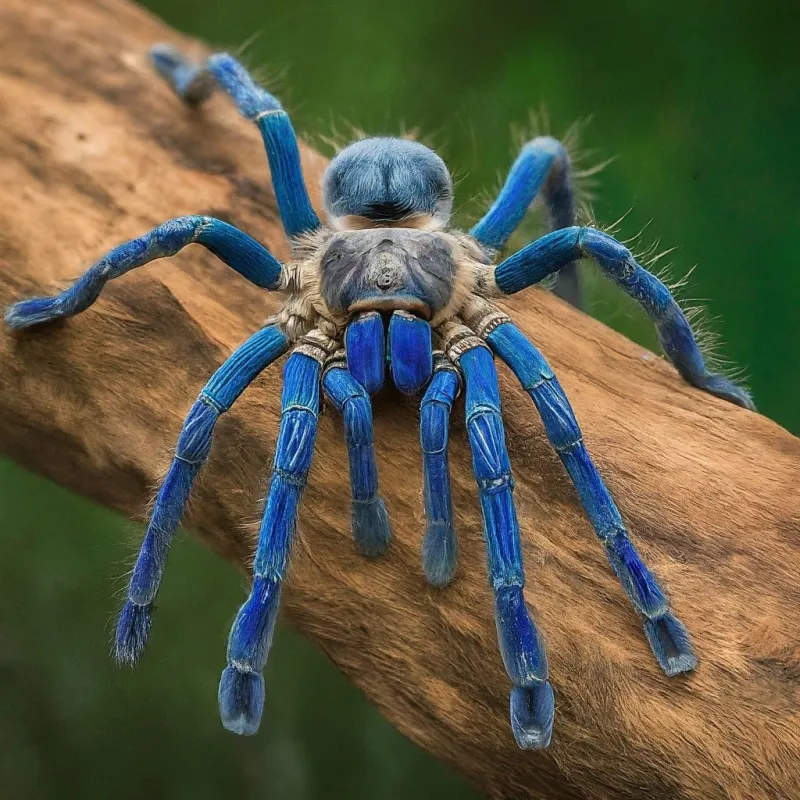
Photo: tarantula enclosure shelf in home with paperwork and thermostat, UK domestic setting, via www.inpetcare.com
The policy begins before the policy
A Brachypelma collection is rarely lost in a single dramatic event. More often, the risks are ordinary household risks: a leaking roof above the spider room, a failed heat mat, a lamp knocked from a shelf, or a delivery driver who leaves a door ajar. The difficulty is that ordinary home insurance is built around ordinary domestic contents, and a collection of live invertebrates sits awkwardly between possessions, livestock and a specialist hobby.
For UK keepers in 2026, the sensible starting point is not to assume that a standard contents policy either covers or excludes tarantulas. It is to establish, in writing, how the insurer treats the collection and what evidence they would expect if a claim were made. This article is general guidance rather than legal or financial advice; policy wording varies considerably and should always be checked with an insurer or regulated broker.
Contents, livestock or something else?
Many home contents policies define insured property as household goods and personal effects. They may exclude livestock, or they may be silent on invertebrates altogether. Silence is not the same as cover. A keeper should ask directly whether live tarantulas, their enclosures, and associated equipment such as thermostats, heat mats, lamps and shelving are included under the contents sum insured.
There is also the question of whether the collection is treated as a single item, a set, or a series of individually described specimens. If several spiders are kept in one cabinet, an insurer may apply a single-item limit or a total limit for unspecified valuables. The equipment may be covered even where the animals are not. That distinction matters when calculating what a realistic loss would cost to replace.
Liability and the escaped spider
A Brachypelma is not a venomous animal in the sense that a dangerous wild animal licence is normally required in the UK, but an escape can still cause alarm, disruption or a claim for distress or damage. Standard home policies often include personal liability cover for accidental injury or damage caused by the insured household. Whether an escaped tarantula falls within that cover is a question for the insurer.
Keepers should ask whether public liability extends to animals kept as pets, whether invertebrates are treated differently from cats and dogs, and whether breeding or selling changes the position. A keeper who occasionally sells captive-bred spiderlings may be regarded as running a business rather than maintaining a private collection. That can affect both liability and contents cover. If sales are frequent or publicly advertised, a broker should be told.
Heat, light and fire risk
The equipment used to keep tropical species in a British home is a genuine insurance consideration. Heat mats, ceramic lamps, thermostats and extension leads can fail. A policy may cover fire damage caused by faulty electrical equipment, but it may also apply exclusions for wear and tear, poor installation or unattended appliances. The keeper's own precautions matter: reputable thermostats, cable strain relief, clearance around heat sources, and no daisy-chained extension leads near moisture.
It is worth asking a broker whether accidental damage cover extends to the enclosure and its contents if, for example, a shelf collapses or a water container is knocked over. Some policies cover accidental damage only for specified items. Others exclude damage caused by domestic animals. The wording should be read alongside the practical question of what the keeper would actually replace.
Photographs, inventories and honest values
Insurers expect evidence, and a tarantula collection is difficult to value after the event. A simple inventory is more useful than a dramatic estimate. Record each specimen by species, sex if known, approximate age or instar, acquisition date, source and purchase price. Photograph the enclosure, the spider where safely possible, and the equipment label or serial number. Keep receipts and CITES documentation where relevant, and store copies away from the spider room.
The aim is not to inflate a claim. It is to show that the collection is a real, documented household asset with a replacement cost the insurer can assess. Overstating values or listing animals that cannot be evidenced can undermine credibility. A modest, accurate schedule is more persuasive than a round-number figure with no supporting paperwork.
When specialist cover may be worth considering
Specialist exotic-pet policies exist, but they are not automatically better than a carefully arranged home policy. They may offer clearer definitions, higher limits for livestock, or liability cover tailored to keepers who breed or exhibit. They may also carry exclusions, excesses and conditions that make them unsuitable for a small private collection.
The decision should follow the answers to three questions. First, what is the realistic replacement value of the animals and equipment? Second, what liability exposure exists if an animal escapes or a heat source causes damage? Third, how much documentation can the keeper reasonably maintain? A broker can compare the standard policy, an extension and a specialist product on those terms rather than on headline price alone.
A calm annual review
Insurance is not a one-off purchase. An annual review, ideally before the winter heating season, keeps the policy aligned with the collection. Update the inventory after acquisitions or losses, check that equipment additions are noted, and confirm that the sum insured still reflects replacement costs. Ask for confirmations in writing and keep them with the collection records.
For a Brachypelma keeper, the objective is not to insure against every imaginable misfortune. It is to avoid the far more common problem of discovering, after a loss, that the policy never addressed the spider shelf at all. A short conversation with a broker, a clear inventory and a realistic valuation do more for preparedness than any assumption about what a standard policy might do.