The Kettle and the Water Dish: Judging British Tap Water for Brachypelma Care in 2026

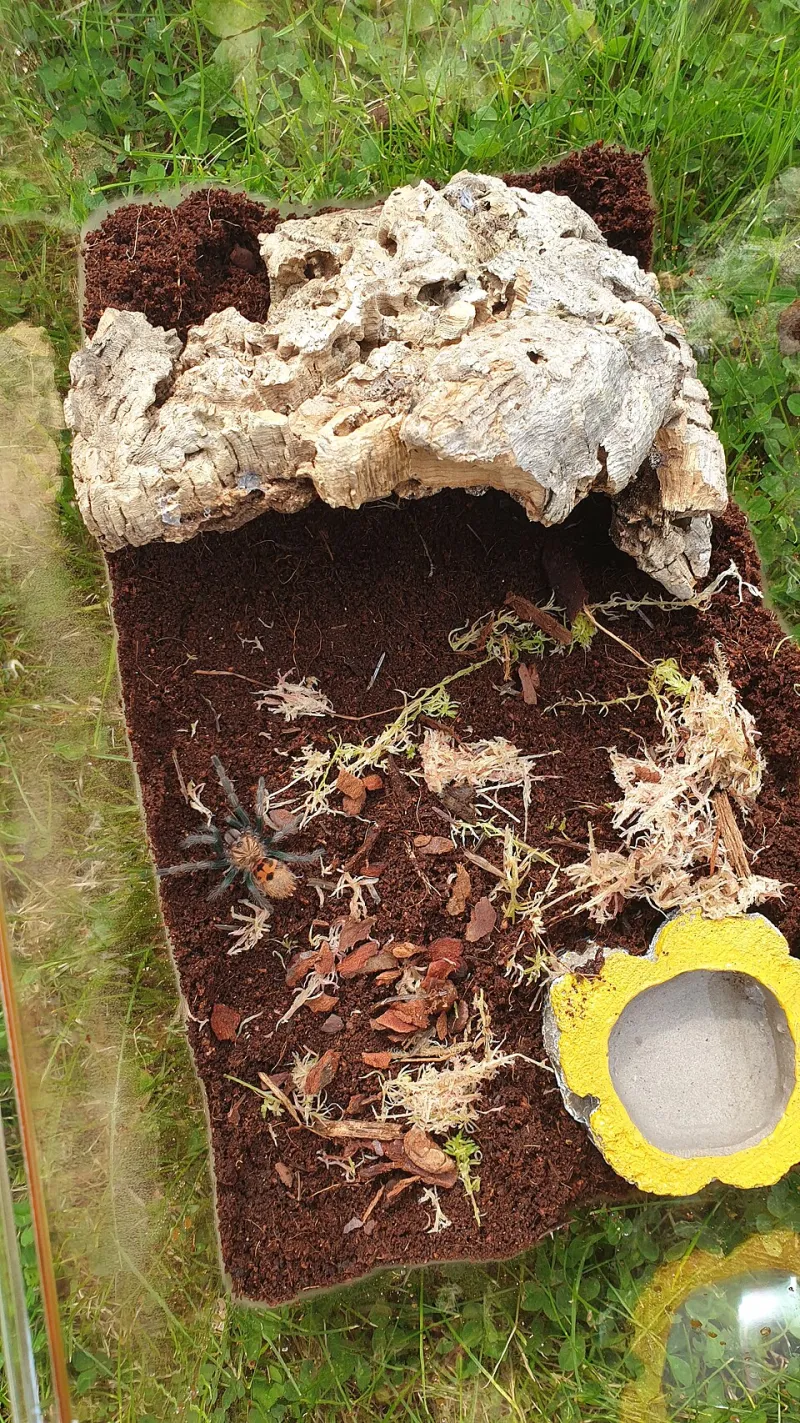
Photo: Fredericknoronha, CC BY-SA 4.0, via Wikimedia Commons
Water is the least glamorous part of tarantula husbandry and, for that reason, one of the easiest to overcomplicate. In the United Kingdom, keepers can generally rely on a safe, tightly regulated public supply. The practical question is not whether British tap water is fit for human consumption, but whether the particular water arriving at a Brachypelma enclosure is appropriate for routine hydration. Hardness, chlorine or chloramine treatment, and the presence of a household softener are the three points worth examining. Bottled water, rainwater and retail filtration should be judged against those points rather than against vague notions of purity.
Hardness is chiefly a maintenance question
Most British hardness is caused by calcium and magnesium salts, principally carbonates. It produces the familiar film inside a kettle and the pale deposits around a water dish. For Brachypelma, a genus associated with drier, seasonally arid habitats, moderately hard water is not inherently dangerous. The animals drink small quantities, often from droplets or a shallow dish, and obtain much of their moisture from prey. There is no persuasive evidence that ordinary UK hardness at mains level requires a switch to bottled or reverse-osmosis water.
What hardness does require is attention to presentation. Mineral deposits can roughen a dish, trap organic debris and make cleaning less effective. A stiff brush and a periodic descale with a dedicated food-safe cleaner, followed by thorough rinsing, are more useful than changing the water source. Keepers in very hard areas may notice white marks on glass after overflow or misting; this is an aesthetic and cleaning issue, not a diagnosis.
The exception is softened water. Ion-exchange softeners replace calcium and magnesium with sodium, and softened water is best avoided as a primary drinking source for invertebrates. If a household softener serves the kitchen cold tap, draw unsoftened mains water from a tap that bypasses the unit, or use a modest, well-managed alternative. Hot taps should not be used for enclosure water in any case, as they may supply softened water and can be warmer than intended.
Chlorine, chloramine and the limits of standing water
UK supplies carry a residual disinfectant to protect water quality through the distribution network. Chlorine is volatile and dissipates from an open container over time, although standing water is not a necessary ritual for every keeper. Chloramine is more persistent and cannot be removed reliably by leaving water to stand. Some supplies use chloramine, and suppliers publish treatment details in their water quality reports. A keeper who wishes to be precise should check the report for their postcode rather than relying on general statements about "British water".
At normal tap concentrations, the evidence for harm to tarantulas through drinking is thin. Nevertheless, a cautious approach is reasonable. If chloramine is confirmed and the keeper prefers to remove it, a carbon block filter with adequate contact time is more dependable than a basic jug filter, which is designed mainly to improve taste and reduce some chlorine. Filter cartridges must be changed on schedule; a neglected filter can become a microbial habitat rather than a purification device.
Commercial "reptile water conditioners" are rarely necessary for a single spider in a domestic setting. They add cost and another variable, and their dosing instructions are generally framed around amphibians or fish. Plain, fresh water and a clean dish remain the standard. Where a keeper has a specific concern, the supplier's water quality report is a better starting point than an additional bottle of conditioner.
Comparing the four practical options
Tap water is convenient, consistent and inexpensive. Run the cold tap briefly, use unsoftened water where possible, and avoid hot water. For most Brachypelma keepers in 2026, this is the default and should remain so unless a specific household factor argues otherwise.
Filtered water from a jug or under-sink carbon unit can reduce chlorine and improve taste. It is not sterile, and it does not automatically remove chloramine. If filtration makes the routine easier to sustain, it is acceptable, provided the cartridge is fresh and the container is clean.
Bottled water is seldom justified. Still mineral water varies in mineral content, costs money, carries packaging waste and introduces an unnecessary dependency. Sparkling water is unsuitable. If bottled water is used during a temporary supply interruption, choose plain still water and return to the normal routine afterwards.
Rainwater is soft and free, but it is not a controlled product. Roof runoff may carry bird droppings, moss, roofing residues and container contaminants. A carefully managed rainwater system with a clean, dedicated container and first-flush diversion can be used by experienced keepers, but it should not be presented as a simple upgrade. For most households, the risks outweigh the benefits.
The husbandry points that matter more
Water source matters less than water availability and cleanliness. Brachypelma enclosures should offer a shallow, stable dish that the spider can reach without climbing. The dish should be rinsed regularly and scrubbed when debris or mineral film appears. Overflowing the dish slightly can create a local humidity gradient, but soaking the substrate is not a substitute for appropriate ventilation. Water gels and sponges are not recommended; they harbour bacteria and obscure the keeper's ability to judge fresh water.
Dehydration is uncommon in well-fed collections but possible in very dry, warm rooms or after a moult. A spider that is lethargic, with a shrunken abdomen, may benefit from access to fresh water and a review of husbandry, but persistent signs warrant a careful look at temperature, ventilation and prey intake rather than a change of water brand.
A simple water audit for 2026
First, obtain the supplier's water quality report for the postcode and note hardness and disinfectant treatment. Second, inspect the kettle and the spider room for scale; heavy scale is a prompt to clean dishes more often and to confirm whether a softener is in use. Third, decide on one primary source: unsoftened cold tap water is the sensible default, with filtration only where a specific chlorine or chloramine concern exists. Fourth, set a cleaning interval for dishes and water containers, and record any change of source in the collection notes. Fifth, resist unnecessary products; consistency and cleanliness are more valuable than novelty.
British tap water is not a compromise for Brachypelma keepers. It is a dependable baseline, provided the household understands what is in it and keeps the equipment around it clean. The kettle may reveal the local geology, but the water dish reveals the keeper's routine.