The Quiet Bin: Waste Handling as Part of Brachypelma Husbandry
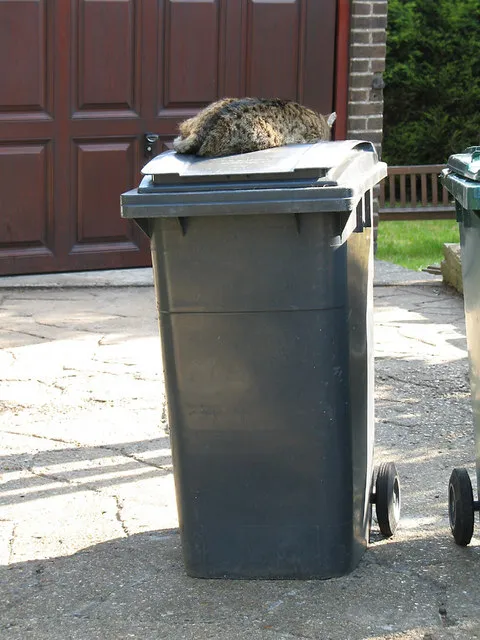
Photo: Martin Addison, CC BY-SA 2.0, via Wikimedia Commons
Waste Is Not an Afterthought
A tarantula shelf produces very little waste compared with a mammal enclosure, which can tempt keepers into treating disposal as an afterthought. In practice, the small volume is exactly why the details matter. A shed skin left loose in a kitchen bin, a bag of damp substrate split at the kerbside, or a tub of dead crickets kept until the next collection can create odour, flies or household friction far out of proportion to the mass involved.
For UK keepers, disposal is also a local-authority matter. Bin systems differ between councils, and what is accepted in one borough may be refused in the next. The sensible approach is not to memorise a national rule but to build a small, repeatable routine that respects both the animal room and the collection round.
What Actually Leaves the Shelf
The waste stream from a Brachypelma collection is fairly predictable. It includes spent substrate after a change or rehouse; shed skins, often fragile and easily missed; dead crickets or other feeders; packaging from deliveries, including tubs, cardboard, paper wool and plastic film; and occasional enclosure materials such as worn cork bark or exhausted moss.
Each item behaves differently in a bin. Spent substrate is heavy, damp and organic. Shed skins are dry and light but can look unsettling to anyone unfamiliar with the hobby. Dead feeders are the most time-sensitive because they are the most likely to attract pests. Packaging is bulky and often mixed-material. Treating them as one bag of "spider rubbish" is convenient but rarely the best practice.
The Household Bin and the Council Bin
Spent peat-free substrate should not go into garden waste collections. Council composting schemes are intended for specified garden materials, and animal-room waste is not normally within their terms. It should normally be double-bagged and placed in general household waste, then put out promptly rather than stored beside the enclosure.
Shed skins can also go into general waste, sealed in a small bag or envelope so they do not drift or alarm anyone handling the bin. They are not a recycling stream. Dead feeders should be removed promptly, sealed, and disposed of in general waste; if a die-off has been substantial, freezing the sealed bag before bin day can reduce odour and insect activity, provided the household freezer is used sensibly and the bag is clearly labelled.
Packaging needs sorting rather than guessing. Clean cardboard can usually be recycled where kerbside recycling accepts it. Plastic tubs should be rinsed if they are to be recycled, but heavily soiled tubs are better placed in general waste. Plastic film and padded delivery packaging are frequent sources of contamination in recycling bins; check the council's current accepted list rather than relying on habit.
Double-Bagging, Odour and Attractants
The aim is not to make waste invisible but to make it unattractive. Double-bagging spent substrate and dead feeders reduces moisture and smell. Twist or tie each bag, then place it inside a second bag before it reaches the main bin. Keep the outer bag intact; a split bag at the kerbside is both untidy and a pest invitation.
Collection timing matters. Where possible, place sealed waste in the outdoor bin on the morning of collection rather than several days ahead. In warm weather, keep sealed bags out of direct sun. Do not place animal-room waste in a communal recycling bin or a neighbour's bin. If the household bin is shared, explain briefly to others in the household what the sealed bags contain and why they should not be opened.
A Shelf-Side Checklist
- Remove dead feeders at each routine check; do not let them accumulate.
- Seal shed skins separately before they enter the main waste bag.
- Double-bag spent substrate; never place it in garden waste.
- Rinse recyclable tubs only if clean enough to be genuinely useful; otherwise use general waste.
- Keep a small supply of bags beside the shelf so the routine is easy to follow.
- Put sealed waste out close to collection, not days in advance.
- Check the local council's current guidance for anything unusual, including bulky enclosure materials.
When a Larger Clear-Out Deserves a Record
A single substrate change rarely needs documentation. A full shelf overhaul, a house move, or the clearance of a discontinued enclosure is different. For larger volumes, keep a simple record: date, what left the shelf, approximate quantity, and where it went. This is not a statutory requirement for ordinary household waste, but it helps a keeper answer reasonable questions from a household, a landlord or a future collection organiser. It also makes repeated clear-outs easier to plan.
Waste handling will never be the most interesting part of tarantula husbandry. It is, however, part of the same discipline: observing what the shelf produces, dealing with it promptly, and keeping the animal room separate from the kitchen bin in practical terms. A quiet, well-sealed bin is a small sign that the husbandry routine is working.