When the Doorbell Precedes the Appointment: Unscheduled Access and the Brachypelma Shelf
The visit that was not on the calendar
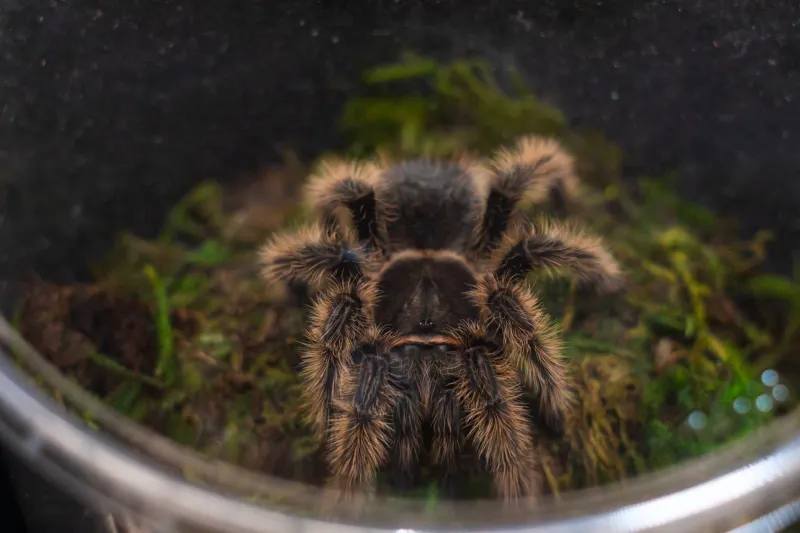
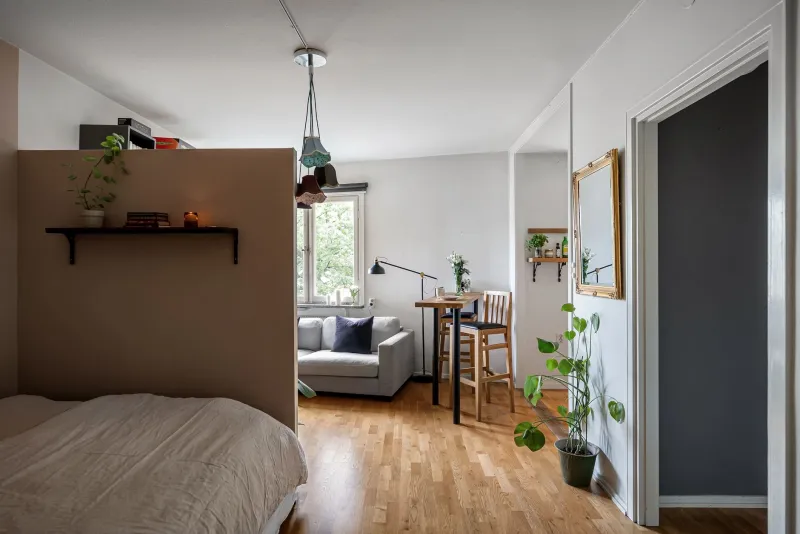
Most Brachypelma husbandry is built on control: the keeper sets the room temperature, chooses the substrate, times the feeding and decides when an enclosure is opened. Unscheduled access disrupts that control. A utility meter reader may need five minutes in the same room as the shelf. A letting agent may arrive to inspect a rented flat. A plumber may need the stopcock behind a cupboard that sits beside the terraria. None of these people is likely to be a spider keeper, and none needs to become one during the visit.
The useful response is not secrecy, nor a theatrical evacuation of the collection. It is a short, repeatable procedure that keeps people calm, keeps enclosures closed and keeps the room’s microclimate as stable as the circumstances allow. The protocol should fit on one side of A4 and be understood by anyone who shares the household.
Before the visit: a one-page shelf brief
Preparation begins before anyone rings the bell. Keep a brief document near the door or in a household folder. It should state, in plain language, that the room contains captive-bred tarantulas in secured enclosures; that the enclosures must not be opened, moved or sprayed near; and that the keeper or a nominated household member will escort the visitor. It should also identify the safe walking route through the room and the location of the meter or stopcock.
A practical pre-visit checklist might include:
- Confirm which room the visitor needs and whether the meter, stopcock or inspection point is near the shelf.
- Clear a direct path of at least a metre from the door to the work area, removing boxes, feeder tubs and loose cables.
- Check that every enclosure lid is seated, every clip or lock is engaged and no ventilation gap has been widened for maintenance.
- Move feeder insects to a closed bin or another room before the visit, so that a curious visitor does not mistake a escaped cricket for an emergency.
- Place a freestanding screen or opaque panel in front of the shelf if privacy or visual disturbance is a concern.
- Put away or close any personal papers, delivery notes or provenance folders that do not need to be visible.
For a landlord inspection, the tenancy agreement and any correspondence from the agent should be checked in advance. In England and Wales, non-emergency access is generally expected to be arranged with notice, but the practical question remains the same: how will the room be managed when someone does enter? A meter reader or emergency tradesperson may have a different route into the property, and the keeper should not assume that a scheduled appointment is the only form of access.
Language for the doorstep
A brief script prevents improvisation from turning into either an overlong lecture or an unexplained refusal. The tone should be courteous, factual and brief.
A workable form of words is: “The meter is in the room to your left. There is a shelving unit of captive-bred tarantulas in secure enclosures. They are contained and should not be disturbed. Please stay on the clear path, do not touch or move the shelves, and I will stay with you while you work. If you need anything shifted, please ask me first.”
This does three things. It discloses the presence of animals without inviting debate. It sets boundaries without suggesting that the visitor is at risk. And it establishes that the keeper is the person who moves anything near the shelf. The same language can be used for a plumber, an electrician, a letting agent or a fire-safety inspector. It should be adapted only where the visitor’s task requires specific access.
Screening the shelf without sealing it
Temporary screening is often the most useful privacy measure, but it must not become a husbandry intervention. The safe principle is to screen the shelf, not the enclosure. A freestanding room divider, a curtain on a frame or an opaque board placed 30 to 50 centimetres in front of the shelving will obscure the terraria from casual view while leaving the room’s air moving around them.
Do not drape fabric directly over terraria. A close cover can trap heat, reduce ventilation and create a humid pocket that is quite unlike the enclosure’s normal conditions. Nor should enclosures be stacked into a cupboard or carried to another room for a short visit. Moving a Brachypelma unnecessarily introduces vibration, handling risk and a fresh microclimate, all for the sake of a meter reading.
If the visitor needs to reach a point directly behind the shelf, the keeper should decide in advance whether that access is genuinely necessary. Where it is not, ask the visitor to work from the clear side. Where it is necessary, move only what must be moved, slowly and with the enclosure kept level. In a genuine emergency, human safety takes precedence; the keeper’s role is to keep people away from the shelf, not to obstruct urgent work.
During the visit: route, distance and duration
The escort should remain in the room for the duration of the work. This is not a matter of distrust; it is the simplest way to answer questions, prevent accidental contact and ensure that the visitor does not lean equipment against a shelf or place a clipboard on top of an enclosure. Keep the visit short. Meter readings and routine inspections rarely require extended time in the room, and a calm, uncluttered workspace makes a shorter visit more likely.
Lighting should be adequate but not dramatically altered. Sudden bright work lamps aimed at the shelf can disturb nocturnal species and may raise the temperature of nearby glass. If a torch is needed, direct it at the meter or pipework rather than into enclosures. Avoid aerosol sprays, solvents, dust-raising work or strong perfumes near the shelf; if the tradesperson must use such materials, ask whether the work can be done with the room door closed and the shelf screened.
After the visit: reset and record
Once the visitor has left, check the shelf before returning to routine. Confirm that lids are still secure, clips are engaged, ventilation is unobstructed and no enclosure has been shifted out of position. Take a quick temperature and humidity reading if instruments are present, and note any disturbance in the shelf log. A short entry is enough: date, reason for access, duration, any enclosure moved and readings afterwards. If the visit involved drilling, spraying or prolonged light, observe the shelf over the next 24 hours for unusual behaviour.
The record is not bureaucracy for its own sake. It turns an interruption into a known event, and it gives the keeper evidence if a similar visit is proposed again. A calm protocol, kept simple and rehearsed once or twice, allows a Brachypelma collection to share a home with ordinary British domestic life without either the spiders or the household being treated as a problem to be hidden.