Records, Not Portraits: A Documentary Photography Protocol for the Brachypelma Shelf
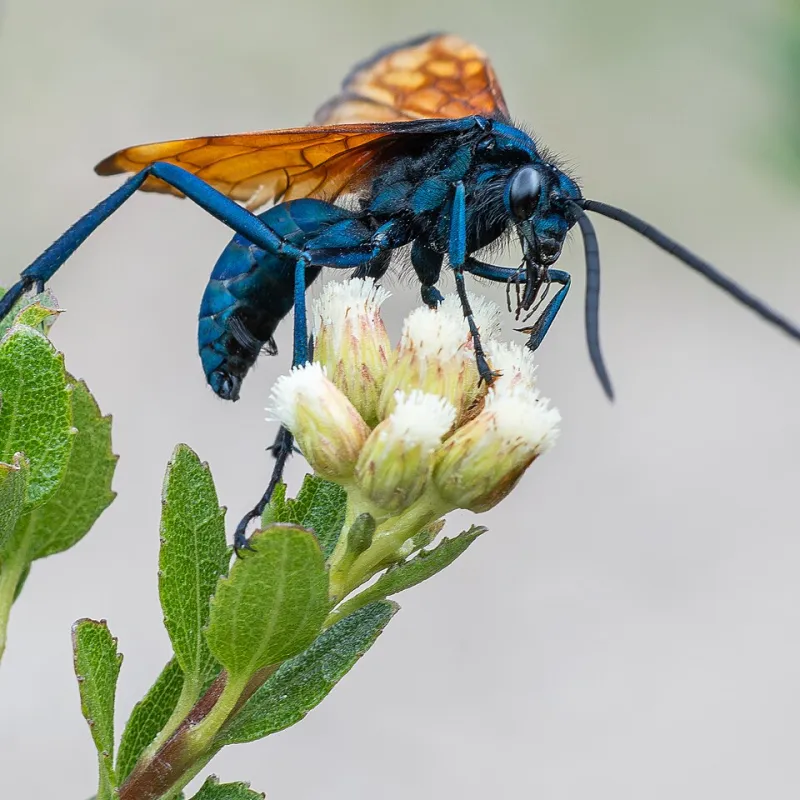
Photo: Rodrigomacrophoto, CC BY-SA 4.0, via Wikimedia Commons
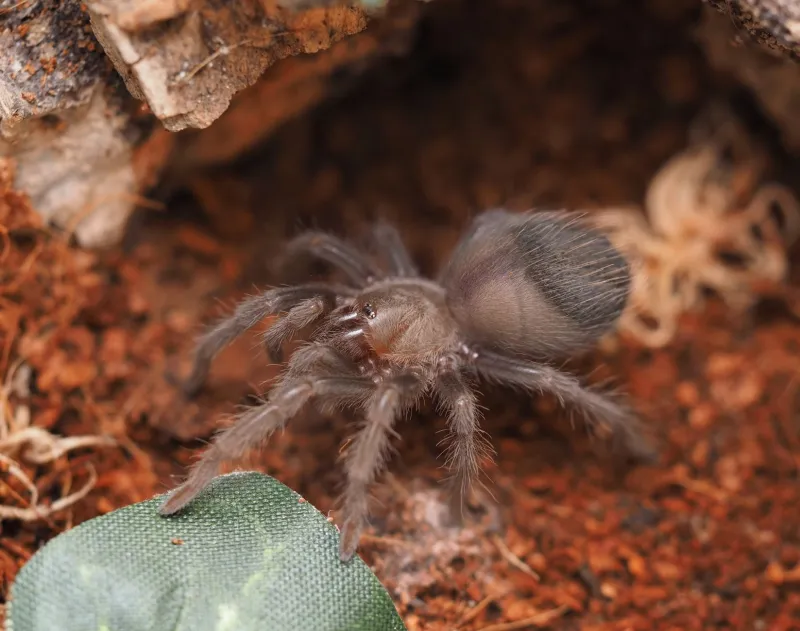
On a dull British afternoon, the light in a spare room is rarely generous. A keeper may be tempted to reach for the flash, brighten the image and move on. For the Brachypelma shelf, that instinct is worth resisting. Photographs taken in the spider room are not chiefly portraits. They are records: evidence of size, condition and change over time, and a visual companion to the moult register and provenance file. The aim is not glamour but consistency.
The purpose of the image
Before any camera is lifted, the keeper should decide what the photograph is for. A record image might document a spider at the point of rehousing, support an honest rehoming advert, or sit beside a dated entry in a moult register. It might show the relationship between the spider and its enclosure, or provide a baseline against which later changes in abdomen size, setae coverage or limb condition can be compared. These are documentary tasks, and they reward a plain, repeatable method.
A provenance photograph is a separate matter. Here the subject may be the enclosure label, the record card or the paperwork rather than the spider itself. Such images should be sharp, legible and dated. They need not be aesthetically pleasing, but they should be accurate. In both cases, the photograph is an aid to husbandry and record-keeping, not a substitute for either.
Phone cameras, used with restraint
For many UK keepers, the phone is the most convenient camera in the house. It is capable of useful record images provided it is used with restraint. The main lens should be used in preference to digital zoom, which enlarges pixels rather than detail. Focus and exposure should be locked on the spider rather than allowed to drift towards a bright water dish or a reflective pane of glass. A timer or a remote shutter reduces the chance of movement at the moment of capture.
The phone should be held steady, ideally supported by a small tripod or rested on a stable surface. The enclosure glass should be clean, and the camera should be square to the glass where possible to limit distortion. British overcast light can be soft and useful, but it is often weak; a window-lit image may need a longer exposure than a hand-held phone can manage. In that case, support matters more than brightness. A record image that is slightly dim but sharp is more useful than a bright image blurred by camera shake.
Macro setups and their limits
A dedicated macro camera, macro lens or close-up attachment can reveal detail that a phone misses: the texture of setae, the condition of the carapace, the outline of the abdomen. It can also introduce problems. Depth of field becomes narrow, so focus may fall on one part of the spider while the rest softens. Lighting becomes more critical, and the working distance may encourage the keeper to move the camera too close to an enclosure that the spider regards as its territory.
Macro equipment should serve the record, not dominate the session. A modest aperture, a stable support and a short, calm session are usually more valuable than elaborate stacking. The keeper should avoid handling the spider for photography. If a particular angle cannot be obtained through the glass without disturbing the animal, it can wait. A missing angle is a minor gap in the record; a stressed spider is a welfare cost.
Light: diffused off-camera over direct flash
Direct flash is the most common mistake in indoor invertebrate photography. It produces hard shadows, bright reflections on glass and a flattened, washed-out rendering of setae. It can also be startling. For a Brachypelma, a sudden burst of light at close range is not a neutral event, and repeated flashes during a session are difficult to justify.
Diffused off-camera light is generally preferable. A small LED panel with a diffuser, or a flash unit bounced off a white card, produces softer illumination and fewer reflections. The light should be positioned to one side rather than aimed straight through the glass. Intensity should be kept low, and continuous LED light should be chosen with care because some units generate heat. The purpose is to reveal form, not to imitate a studio portrait.
White balance should be set consistently. Mixed lighting from a window, a room bulb and an LED panel can make the same spider look different from one image to the next, undermining comparison. A neutral grey card or a sheet of white paper can provide a reference. If the enclosure has a mesh lid, the light may cast a pattern; a diffuser and a slightly angled camera can reduce this.
The freshly moulted spider
A freshly moulted Brachypelma should be left in the dark. This is not a stylistic preference but a welfare rule. Immediately after ecdysis, the exoskeleton is soft and the spider is vulnerable. Photography at this stage, particularly with flash or handling, offers no husbandry benefit that justifies the disturbance. The shed skin can be photographed instead, and the event recorded in the moult register with date, apparent size and any observations.
Once the spider has hardened and resumed normal activity, a record image may be taken under the same calm conditions as before. The keeper should not rush this interval. A useful image taken later is better than a poor image taken too soon.
A repeatable bench protocol
Consistency is the central discipline. The enclosure should be placed on a stable surface with a neutral background behind it. A small card showing the date and an identifier can be included at the edge of the frame. The same angle, lighting position and approximate distance should be used each time. Dorsal and lateral views are usually sufficient; ventral views should not be pursued by handling.
Files should be named and stored with the date and specimen identifier, alongside the moult register and any provenance records. A photograph that cannot be found later has little documentary value. For rehoming adverts, the same honest approach applies: show the spider clearly, state the date of the image and avoid colour enhancement that misrepresents the animal.
Reading the image later
A record photograph is most useful when compared with another. Changes in abdomen size, setae coverage, missing limbs or general posture may be easier to see across a sequence than on the shelf. Photographs do not diagnose illness, and they should not be treated as a substitute for veterinary advice. They do, however, provide a calm basis for asking better questions and for noticing change before it becomes obvious.
At Brachypelmas, the editorial position is straightforward: photograph the spider as it is, in conditions that do not disturb it, and keep the resulting images as husbandry evidence. On a dull British afternoon, that discipline is more valuable than a brighter flash.